This topic came up at the Flushing University message boards yesterday and I first weighed in over there. The Mets bench is better this year than it was last year, but I think that Philadelphia has a better corps of reserves.
The Mets do have the advantage at two spots. Miguel Cairo stinks; I would definitely take Alex Cora over him. I would also take Jeremy Reed over Eric Bruntlett, but the difference between the two is mostly on the field and not at the plate.
As for back-up catchers, I would take Chris Coste over Ramon Castro, if I had the choice between the two. Coste has out-hit Castro over the last three seasons; perhaps the only season where Castro was clearly better offensively was in 2007. Castro has a little more power, but Coste stands up well offensively otherwise. I don't know if either one of them is particularly good defensively (I happen think opinions on catcher defense are extremely subjective), but they did throw out a similar percentage of base-stealers last season.
Greg Dobbs and Fernando Tatis are an interesting comparison, but Dobbs is better defensively and has been a valuable bench player for the last two seasons. Tatis was wonderful last year, but I'm not ready to proclaim that it wasn't a fluke. Put it this way - I'm glad Omar Minaya signed Tatis to a one-year deal instead of the two-year specials he has been giving bench players over the last few years.
Gary Sheffield has had a borderline Hall of Fame career (if you don't believe he was on steroids at any point, that is). But right now, he doesn't belong in the same conversation with Matt Stairs. I think Stairs is one of the most underrated hitters of the last 20 years and he's an asset to any bench he sits on.
Stairs can't field, but that just puts him in the same category as Sheff defensively. He remains very dangerous against right-handed pitchers and could still be effective as the dominant half of a DH platoon in the American League. Even at 41, the guy is a mortal lock for 10-plus home runs if he gets 300 plate appearances against righties. He's still patient at the plate and still draws walks - an asset for a pinch-hitter, despite what conventional wisdom might say.
From my count, the Phillies are better at three of the five bench spots and better on the bench overall.
Showing posts with label Roster Construction. Show all posts
Showing posts with label Roster Construction. Show all posts
Tuesday, April 14, 2009

Wednesday, April 8, 2009
2009 Opening Day Roster
My loyal readers know how much I enjoy roster analysis, so even though we are already one game into the season I wanted to take a minute to talk about the team that the Mets broke camp with.
For the most part, it is a surprisingly well-constructed roster to start the season. I would've liked to have seen a second left-hander in the bullpen instead of Bobby Parnell, who I simply do not believe in yet. That said, if it makes Jerry Manuel more likely to simply rely on his best relievers and less likely to become obsessed with platoon matchups, I think it's worth considering for now.
I liked the Gary Sheffield signing as a low-risk investment, but the key will be how Omar Minaya makes room for Livan Hernandez, who will be the fifth starter and will take the mound on Saturday. Minaya absolutely must release Marlon Anderson for this signing to make any sense at all. Anderson has no place on this team - he can't hit, he can't field and he can't run. Modern teams simply do not have room for Manny Mota-type pinch hitters, and Marlon Anderson is no Manny Mota.
Pitching is still a question mark, in my opinion. Johan Santana will be an ace, but can anyone say with confidence that Mike Pelfrey will not regress, that Oliver Perez and John Maine won't remain inconsistent and that Hernandez will not be awful? I can't - and the Mets will not survive in the National League unless three of those four live up to expectations.
The bullpen seems to be built entirely and hopes and dreams. If Francisco Rodriguez's decreasing strikeout rate and increasing WHIP isn't a sign of trouble ... if JJ Putz is fully healed from last season's injury and rediscovers past success ... if Sean Green and Brian Stokes learn how to get out left-handers ... if Pedro Feliciano remembers how to get out right-handers ... if Parnell out-performs every expectation that his entire minor-league track record would give you ... if Darren O'Day's rotator cuff doesn't completely tear ...
If all of these go right, you have a 100-win team. If they all go wrong, you have an 80-win team. I'm predicting an 87-75 record, which should indicate my confidence in the bullpen right now.
There are fewer questions among the position players. David Wright, Carlos Beltran and Jose Reyes will hit, because that's what they do. I think that Daniel Murphy will too, although I think he's more Rusty Greer and less Don Mattingly or Wade Boggs (two players I heard him compared to this week). Either Ryan Church or Luis Castillo will put up good numbers - and if they both do this lineup has the chance to be very potent.
The key is Carlos Delgado. I just don't see another 38 home runs from that aging bat, but the Mets don't need that to succeed. They need .265/.350/.470 and 25 to 30 home runs to be successful - and they need Delgado to be consistent for six months. Another season where he's clueless at the plate until July 1 will be disastrous.
STARTING PITCHERS
Johan Santana
Mike Pelfrey
Oliver Perez
John Maine
RELIEF PITCHERS
Francisco Rodriguez (closer)
JJ Putz
Sean Green
Pedro Feliciano
Brian Stokes
Darren O'Day
Bobby Parnell
CATCHERS
Brian Schneider
Ramon Castro
INFIELDERS
Carlos Delgado
Luis Castillo
David Wright
Jose Reyes
Alex Cora
Fernando Tatis
OUTFIELDERS
Daniel Murphy
Carlos Beltran
Ryan Church
Jeremy Reed
Gary Sheffield
Marlon Anderson
For the most part, it is a surprisingly well-constructed roster to start the season. I would've liked to have seen a second left-hander in the bullpen instead of Bobby Parnell, who I simply do not believe in yet. That said, if it makes Jerry Manuel more likely to simply rely on his best relievers and less likely to become obsessed with platoon matchups, I think it's worth considering for now.
I liked the Gary Sheffield signing as a low-risk investment, but the key will be how Omar Minaya makes room for Livan Hernandez, who will be the fifth starter and will take the mound on Saturday. Minaya absolutely must release Marlon Anderson for this signing to make any sense at all. Anderson has no place on this team - he can't hit, he can't field and he can't run. Modern teams simply do not have room for Manny Mota-type pinch hitters, and Marlon Anderson is no Manny Mota.
Pitching is still a question mark, in my opinion. Johan Santana will be an ace, but can anyone say with confidence that Mike Pelfrey will not regress, that Oliver Perez and John Maine won't remain inconsistent and that Hernandez will not be awful? I can't - and the Mets will not survive in the National League unless three of those four live up to expectations.
The bullpen seems to be built entirely and hopes and dreams. If Francisco Rodriguez's decreasing strikeout rate and increasing WHIP isn't a sign of trouble ... if JJ Putz is fully healed from last season's injury and rediscovers past success ... if Sean Green and Brian Stokes learn how to get out left-handers ... if Pedro Feliciano remembers how to get out right-handers ... if Parnell out-performs every expectation that his entire minor-league track record would give you ... if Darren O'Day's rotator cuff doesn't completely tear ...
If all of these go right, you have a 100-win team. If they all go wrong, you have an 80-win team. I'm predicting an 87-75 record, which should indicate my confidence in the bullpen right now.
There are fewer questions among the position players. David Wright, Carlos Beltran and Jose Reyes will hit, because that's what they do. I think that Daniel Murphy will too, although I think he's more Rusty Greer and less Don Mattingly or Wade Boggs (two players I heard him compared to this week). Either Ryan Church or Luis Castillo will put up good numbers - and if they both do this lineup has the chance to be very potent.
The key is Carlos Delgado. I just don't see another 38 home runs from that aging bat, but the Mets don't need that to succeed. They need .265/.350/.470 and 25 to 30 home runs to be successful - and they need Delgado to be consistent for six months. Another season where he's clueless at the plate until July 1 will be disastrous.
STARTING PITCHERS
Johan Santana
Mike Pelfrey
Oliver Perez
John Maine
RELIEF PITCHERS
Francisco Rodriguez (closer)
JJ Putz
Sean Green
Pedro Feliciano
Brian Stokes
Darren O'Day
Bobby Parnell
CATCHERS
Brian Schneider
Ramon Castro
INFIELDERS
Carlos Delgado
Luis Castillo
David Wright
Jose Reyes
Alex Cora
Fernando Tatis
OUTFIELDERS
Daniel Murphy
Carlos Beltran
Ryan Church
Jeremy Reed
Gary Sheffield
Marlon Anderson
Sunday, March 8, 2009
I'm Jealous - Los Angeles Dodgers
Now that Manny Ramirez can stop worrying about filing for unemployment, the Los Angeles Dodgers have to be considered one of the teams to beat in the National League this year. Looking at the Dodgers' roster and some of the moves they made in this winter, I have to admit that Los Angeles is one of the franchises that I'm very jealous of right now.
The Dodgers made a point of upgrading their team this off-season, even though there were already "incumbents" at the position. But by adding Manny and second baseman Orlando Hudson, even though the Dodgers already had major-league options at both positions, LA sent its the message that it will not simply sit back and accept the status quo.
Contrast that with the Mets, who will run Luis Castillo back out at second base again in 2009 and hope for better things, even though there's little reason to believe he will ever be the player he was in his mid-20s. New York has already handed the left-field job to Daniel Murphy on the basis of a two-month hot streak last summer, even though they desperately need a right-handed power bat to balance out their left-leaning lineup.
Instead of trying to improve the everyday lineup, they did nothing, and the Dodgers signed two short-term deals with players that would've been perfect fits in New York.
It's not like the Dodgers didn't have internal options as well. They could have passed on Manny and given the job in left field back to Juan Pierre instead. Dodger fans would've howled, but the front office had a built-in excuse in place - a veteran signed to a long-term deal. (Does that sound familiar to you?)
Pierre is coming off perhaps the worst season of his wildly over-rated career, but is signed for another three seasons at big money and would be very tough to trade away. The Dodgers could've simply put Pierre back in his familiar leadoff spot and claimed that they were going to win with speed and defense, even though a knowledgable fan would've seen right through that charade
Instead, the Dodgers found the money for Manny and essentially told the rest of the league that there is now a speedy fourth outfielder for sale at bargain-basement prices. Pierre will be actively shopped throughout Spring Training, and I'm confident that someone will take a chance on him before too long, as long as the Dodgers are willing to pay three-fourths of his remaining salary. Otherwise, they'll be spending $10 million for a player who ideally would be no more than a pinch-runner and a defensive replacement.
Dodgers GM Ned Colletti made a big mistake signing Pierre - he took steps toward fixing it by signing Manny Ramirez. I only wish the Mets had a general manager who could also admit his mistakes and try to move forward from them.
In some ways, passing on Hudson is an even more egregious error in judgment than not offering a contract to Ramirez. Yes, Manny can be a headache, and the more conservative elements of the fan base will consider it a point of pride that the Mets did not sign a player with Ramirez's "baggage." It is a foolish and short-sighted way of thinking, of course; 35 home runs and a .300 batting average have a way of making a player with even the most checkered past look like a model citizen.
Hudson, meanwhile, is one of the best defensive second basemen in the league and his bat has finally caught up with his glove over the last three years. Hudson is also a switch-hitter who would do very well batting behind Jose Reyes in the Mets' lineup. Reyes and Hudson would've combined to provide terrific defense up the middle, which I believe is a key element to building a successful team. When you have two middle infielders who not only play their position well but can also contribute at the plate, you have a team that can be very successful.
But the Mets passed on Hudson as well, mostly because they've guaranteed $18 million over the next three years to Castillo. The Dodgers had $28.5 million committed to Pierre over the same time frame; it didn't stop them from committing $25 million to Manny this season to play left field.
So Hudson finally signed with the Dodgers for a $3.4 million base salary, with playing time incentives that could increase the value to nearly $8 million. The Dodgers already had options at second base as well; Mark Loretta signed a one-year deal with LA in the off-season and Blake Dewitt turned some heads during his rookie year. Now, Loretta and Dewitt will become two versatile utility men who between them can back at up at all four infield positions.
The end result for the Dodgers is a potentially devastating lineup and a strong, versatile bench, along with veteran trade bait that can be used to try filling other needs. The end result for the Mets is a series of hopes and dreams - maybe Castillo will have a bounceback season, maybe Murphy is ready for the major leagues, maybe having left-handed batters fifth through eighth in the lineup won't make the Mets incredibly vulnerable against left-handed relievers.
Which team would you bet on right now?
The Dodgers made a point of upgrading their team this off-season, even though there were already "incumbents" at the position. But by adding Manny and second baseman Orlando Hudson, even though the Dodgers already had major-league options at both positions, LA sent its the message that it will not simply sit back and accept the status quo.
Contrast that with the Mets, who will run Luis Castillo back out at second base again in 2009 and hope for better things, even though there's little reason to believe he will ever be the player he was in his mid-20s. New York has already handed the left-field job to Daniel Murphy on the basis of a two-month hot streak last summer, even though they desperately need a right-handed power bat to balance out their left-leaning lineup.
Instead of trying to improve the everyday lineup, they did nothing, and the Dodgers signed two short-term deals with players that would've been perfect fits in New York.
It's not like the Dodgers didn't have internal options as well. They could have passed on Manny and given the job in left field back to Juan Pierre instead. Dodger fans would've howled, but the front office had a built-in excuse in place - a veteran signed to a long-term deal. (Does that sound familiar to you?)
Pierre is coming off perhaps the worst season of his wildly over-rated career, but is signed for another three seasons at big money and would be very tough to trade away. The Dodgers could've simply put Pierre back in his familiar leadoff spot and claimed that they were going to win with speed and defense, even though a knowledgable fan would've seen right through that charade
Instead, the Dodgers found the money for Manny and essentially told the rest of the league that there is now a speedy fourth outfielder for sale at bargain-basement prices. Pierre will be actively shopped throughout Spring Training, and I'm confident that someone will take a chance on him before too long, as long as the Dodgers are willing to pay three-fourths of his remaining salary. Otherwise, they'll be spending $10 million for a player who ideally would be no more than a pinch-runner and a defensive replacement.
Dodgers GM Ned Colletti made a big mistake signing Pierre - he took steps toward fixing it by signing Manny Ramirez. I only wish the Mets had a general manager who could also admit his mistakes and try to move forward from them.
In some ways, passing on Hudson is an even more egregious error in judgment than not offering a contract to Ramirez. Yes, Manny can be a headache, and the more conservative elements of the fan base will consider it a point of pride that the Mets did not sign a player with Ramirez's "baggage." It is a foolish and short-sighted way of thinking, of course; 35 home runs and a .300 batting average have a way of making a player with even the most checkered past look like a model citizen.
Hudson, meanwhile, is one of the best defensive second basemen in the league and his bat has finally caught up with his glove over the last three years. Hudson is also a switch-hitter who would do very well batting behind Jose Reyes in the Mets' lineup. Reyes and Hudson would've combined to provide terrific defense up the middle, which I believe is a key element to building a successful team. When you have two middle infielders who not only play their position well but can also contribute at the plate, you have a team that can be very successful.
But the Mets passed on Hudson as well, mostly because they've guaranteed $18 million over the next three years to Castillo. The Dodgers had $28.5 million committed to Pierre over the same time frame; it didn't stop them from committing $25 million to Manny this season to play left field.
So Hudson finally signed with the Dodgers for a $3.4 million base salary, with playing time incentives that could increase the value to nearly $8 million. The Dodgers already had options at second base as well; Mark Loretta signed a one-year deal with LA in the off-season and Blake Dewitt turned some heads during his rookie year. Now, Loretta and Dewitt will become two versatile utility men who between them can back at up at all four infield positions.
The end result for the Dodgers is a potentially devastating lineup and a strong, versatile bench, along with veteran trade bait that can be used to try filling other needs. The end result for the Mets is a series of hopes and dreams - maybe Castillo will have a bounceback season, maybe Murphy is ready for the major leagues, maybe having left-handed batters fifth through eighth in the lineup won't make the Mets incredibly vulnerable against left-handed relievers.
Which team would you bet on right now?
Tuesday, January 6, 2009
Running Out of Opportunities
On Monday, Ken Rosenthal reported that two more corner outfielders were coming off the market - Pat Burrell and Milton Bradley. These signings represent two more missed opportunities by the Mets, who desperately need to add a right-handed bat or a switch hitter to a lineup that is far too left-handed right now.
That's why Burrell actually should've been a key target for the Mets this off-season. Although the Mets seem content to begin the 2009 season with Fernando Tatis and Daniel Murphy as platoon partners in left field, they would be making a big mistake by doing so.
Earlier in the off-season, I put forth the notion that the Mets should sign one of the many good-hit, no-glove corner outfielders saturating the market right now. The Mets could've had their pick of Burrell, Bradley, Manny Ramirez, Adam Dunn, Bobby Abreu or Raul Ibanez. (Bradley is actually a pretty good fielder when he's healthy enough to man a position, but he seems more suited to the designated hitter role to rest his perpetually aching body.)
When so many players featuring a similar skill set are on the open market, the going rate for such players is lower than in years where few options are available. It's a simple case of supply and demand - there are more free agent corner outifelders demanding big money than teams who are willing to meet those demands.
This scenario has played out all winter. Ibanez bit first, taking a 3-year, $31.5 million deal from Philadelphia in December. Early off-season speculation sometimes put Ibanez's AAV as high as $15 million, so at the time it actually seemed like a good deal for the Phillies to get him at $10.5 per year. Philadelphia GM Ruben Amaro, Jr. must be having some second thoughts today, after seeing Burrell and Bradley signing for lower AAVs despite both players being much younger and arguably more productive offensively.
The Burrell signing was the real shocker. Bradley has consistently had health and temperment issues throughout his tumultuous career, so any risk-averse GM could be forgiven for passing on him. However, Pat Burrell is an absolute steal at just $8 million a year over a two-year period. Although he struggled to meet expectations in his mid-20s (save for a breakout 2002 season), Burrell has comfortably settled into a reliable .250/.380/.500 groove over the last four seasons. He's always good for 30 home runs and last season banged out nearly 70 extra-base hits.
All of which brings us back to the Mets. If the season started tomorrow, here is the lineup card Jerry Manuel would likely write out:
Jose Reyes - S
Luis Castillo - S
Carlos Beltran - S
David Wright - R
Carlos Delgado -L
Ryan Church - L
Daniel Murphy - L
Brian Schneider - L
What's wrong with this picture? ... No, it's not only that Luis Castillo is in the lineup. I told you that Omar Minaya wasn't going to be able to trade him!
The problem is that the Mets are going to be especially vulnerable to left-handed pitching next season. The bottom of the lineup in particular is a lefty specialist's dream and without some right-handed balance, the Mets are going to be exposed in late inning situations all year long.
Sure, Manuel could bat Castillo eighth in the lineup - where he belongs - and move Church or Murphy into the #2 spot. Such a move would especially benefit Murphy, who some Met fans seem to think is going to be the next Chase Utley no matter where he plays. I happen to like Murphy as a player, although the hype reminds me an awful lot of Gregg Jeffries right now. I still say that he should be given a super-utility role next season, getting 300 at-bats backing up at first base, second base, third base and left field.
Even in this scenario, you still have left-handed batters hitting fifth, sixth and seventh, none of whom can be expected to do anything other than flail helplessly at southpaw offerings. Instead, look at the difference in the lineup if the Mets subtracted Muprhy, added Burrell and batted Castillo eighth:
Jose Reyes - S
Ryan Church - L
Carlos Beltran - S
David Wright - R
Carlos Delgado -L
Pat Burrell - R
Brian Schneider - L
Luis Castillo - S
That lineup is much more balanced and, on the strength of Burrell's bat alone, more dangerous against lefties. Murphy could still substitute for Castillo twice a week and even spell Wright, Burrell and Delgado on occasion, getting 70 starts next year while the Mets figure out where his future spot on the diamond will be. Tatis can still be a platoon player against lefties and see time at first base and right field.
The Mets have spent the last two seasons paying a good-hit, no-glove left fielder $8 million a year to bat behind Carlos Delgado and add a right-handed presence to the lineup. On Monday, a good-hit, no-glove left fielder ten years younger than Moises Alou signed with Tampa Bay for nearly the exact same rate. Where was Omar Minaya?
That's why Burrell actually should've been a key target for the Mets this off-season. Although the Mets seem content to begin the 2009 season with Fernando Tatis and Daniel Murphy as platoon partners in left field, they would be making a big mistake by doing so.
Earlier in the off-season, I put forth the notion that the Mets should sign one of the many good-hit, no-glove corner outfielders saturating the market right now. The Mets could've had their pick of Burrell, Bradley, Manny Ramirez, Adam Dunn, Bobby Abreu or Raul Ibanez. (Bradley is actually a pretty good fielder when he's healthy enough to man a position, but he seems more suited to the designated hitter role to rest his perpetually aching body.)
When so many players featuring a similar skill set are on the open market, the going rate for such players is lower than in years where few options are available. It's a simple case of supply and demand - there are more free agent corner outifelders demanding big money than teams who are willing to meet those demands.
This scenario has played out all winter. Ibanez bit first, taking a 3-year, $31.5 million deal from Philadelphia in December. Early off-season speculation sometimes put Ibanez's AAV as high as $15 million, so at the time it actually seemed like a good deal for the Phillies to get him at $10.5 per year. Philadelphia GM Ruben Amaro, Jr. must be having some second thoughts today, after seeing Burrell and Bradley signing for lower AAVs despite both players being much younger and arguably more productive offensively.
The Burrell signing was the real shocker. Bradley has consistently had health and temperment issues throughout his tumultuous career, so any risk-averse GM could be forgiven for passing on him. However, Pat Burrell is an absolute steal at just $8 million a year over a two-year period. Although he struggled to meet expectations in his mid-20s (save for a breakout 2002 season), Burrell has comfortably settled into a reliable .250/.380/.500 groove over the last four seasons. He's always good for 30 home runs and last season banged out nearly 70 extra-base hits.
All of which brings us back to the Mets. If the season started tomorrow, here is the lineup card Jerry Manuel would likely write out:
Jose Reyes - S
Luis Castillo - S
Carlos Beltran - S
David Wright - R
Carlos Delgado -L
Ryan Church - L
Daniel Murphy - L
Brian Schneider - L
What's wrong with this picture? ... No, it's not only that Luis Castillo is in the lineup. I told you that Omar Minaya wasn't going to be able to trade him!
The problem is that the Mets are going to be especially vulnerable to left-handed pitching next season. The bottom of the lineup in particular is a lefty specialist's dream and without some right-handed balance, the Mets are going to be exposed in late inning situations all year long.
Sure, Manuel could bat Castillo eighth in the lineup - where he belongs - and move Church or Murphy into the #2 spot. Such a move would especially benefit Murphy, who some Met fans seem to think is going to be the next Chase Utley no matter where he plays. I happen to like Murphy as a player, although the hype reminds me an awful lot of Gregg Jeffries right now. I still say that he should be given a super-utility role next season, getting 300 at-bats backing up at first base, second base, third base and left field.
Even in this scenario, you still have left-handed batters hitting fifth, sixth and seventh, none of whom can be expected to do anything other than flail helplessly at southpaw offerings. Instead, look at the difference in the lineup if the Mets subtracted Muprhy, added Burrell and batted Castillo eighth:
Jose Reyes - S
Ryan Church - L
Carlos Beltran - S
David Wright - R
Carlos Delgado -L
Pat Burrell - R
Brian Schneider - L
Luis Castillo - S
That lineup is much more balanced and, on the strength of Burrell's bat alone, more dangerous against lefties. Murphy could still substitute for Castillo twice a week and even spell Wright, Burrell and Delgado on occasion, getting 70 starts next year while the Mets figure out where his future spot on the diamond will be. Tatis can still be a platoon player against lefties and see time at first base and right field.
The Mets have spent the last two seasons paying a good-hit, no-glove left fielder $8 million a year to bat behind Carlos Delgado and add a right-handed presence to the lineup. On Monday, a good-hit, no-glove left fielder ten years younger than Moises Alou signed with Tampa Bay for nearly the exact same rate. Where was Omar Minaya?
Monday, July 7, 2008
What About Reyes/Wright/Beltran/Church/Santana?
It was a mild surprise to see only one Met make the National League All-Star team, although only Jose Reyes has a legitimate gripe against his exclusion. The Mets are still a mediocre team, whose best players have either underperformed or have missed significant time due to injury.
Reyes has the best case for inclusion, although Hanley Ramirez deservedly won the fan vote and will be starting at shortstop next Tuesday. Cristian Guzman and Miguel Tejada were chosen ahead of Reyes as reserves, however, and that's just wrong. The All-Star Game's arcane rules insist that at least one player from every team make the squad, which explains Guzman's selection. But with Lance Berkman starting at first for the NL All-Stars, the Astros were already represented. Why, then, is Tejada on the team over Reyes? The Mets' shortstop outshines his counterpart in every offensive category except home runs and RBI. Even there, Tejada's slight advantage (10-44 to 9-38) hardly outweighs Reyes's overall offensive presence.
Wright is still in the running for the final spot on the National League team and will probably win the vote, if for no other reason than name recognition. Chipper Jones won the initial fan vote ahead of Wright and deservedly so. Aramis Ramirez was chosen as Chipper's backup, even though his stats are remarkably similar to Wright's. Ramirez has done a better job in the field (7 errors to Wright's 12) and Wright's stats are artifically higher because of the way he has tatooed left-handers this season (a .416/.520/.714 clip). It's close, but Ramirez is a worthy pick.
Beltran, in contrast, doesn't have a particularly strong argument. The fans passed on him and both Matt Holliday and Ryan Ludwick have an OPS at least 100 points higher than Beltran. Nate McLouth is a bit of a reach, but he is still having a better season at the plate than Beltran and is the only Pirate to make the team. In the end, at least five other National League outfielders have more to complain about today than Carlos Beltran.
Ryan Church might've had a better shot at an All-Star nod, but his concussion woes caused him to miss too much time to merit serious consideration. His torrid early season pace was nearly enough to get me to vote for him, but I ultimately went for Xavier Nady instead. (Nady deserved to go more than Church, even though he also missed some time due to injury.)
That brings us to Johan Santana. He hasn't had a bad season, obviously, but Santana has failed to live up to expectations, which I think is what ultimately doomed him here. I think Santana would've been a better choice than Aaron Cook, but the mediocre won-loss total was too much to overcome.
Reyes has the best case for inclusion, although Hanley Ramirez deservedly won the fan vote and will be starting at shortstop next Tuesday. Cristian Guzman and Miguel Tejada were chosen ahead of Reyes as reserves, however, and that's just wrong. The All-Star Game's arcane rules insist that at least one player from every team make the squad, which explains Guzman's selection. But with Lance Berkman starting at first for the NL All-Stars, the Astros were already represented. Why, then, is Tejada on the team over Reyes? The Mets' shortstop outshines his counterpart in every offensive category except home runs and RBI. Even there, Tejada's slight advantage (10-44 to 9-38) hardly outweighs Reyes's overall offensive presence.
Wright is still in the running for the final spot on the National League team and will probably win the vote, if for no other reason than name recognition. Chipper Jones won the initial fan vote ahead of Wright and deservedly so. Aramis Ramirez was chosen as Chipper's backup, even though his stats are remarkably similar to Wright's. Ramirez has done a better job in the field (7 errors to Wright's 12) and Wright's stats are artifically higher because of the way he has tatooed left-handers this season (a .416/.520/.714 clip). It's close, but Ramirez is a worthy pick.
Beltran, in contrast, doesn't have a particularly strong argument. The fans passed on him and both Matt Holliday and Ryan Ludwick have an OPS at least 100 points higher than Beltran. Nate McLouth is a bit of a reach, but he is still having a better season at the plate than Beltran and is the only Pirate to make the team. In the end, at least five other National League outfielders have more to complain about today than Carlos Beltran.
Ryan Church might've had a better shot at an All-Star nod, but his concussion woes caused him to miss too much time to merit serious consideration. His torrid early season pace was nearly enough to get me to vote for him, but I ultimately went for Xavier Nady instead. (Nady deserved to go more than Church, even though he also missed some time due to injury.)
That brings us to Johan Santana. He hasn't had a bad season, obviously, but Santana has failed to live up to expectations, which I think is what ultimately doomed him here. I think Santana would've been a better choice than Aaron Cook, but the mediocre won-loss total was too much to overcome.
Monday, May 19, 2008
Missing the Boat
The sharks are in the water and everyone is looking for their pound of flesh.
As the Mets continue to flounder in 2008 (sorry, but two straight wins against the last-place team in the American League East doesn't mean they're suddenly ready to begin dominating the rest of the league), the mainstream media has decided that Willie Randolph's head is on the chopping block. The predictable avalanche of columns and reports have followed, nearly all of them focusing on the perception of Willie's lack of control over the Mets' clubhouse and the placid demeanor he and his team continue to show.
Willie fired back last night, taking the media to task for their characterization of him and suggesting that there may even be a racial component to the criticism he's facing. Racism in baseball - and in American society - still exists, of course. But that's not the problem here. Willie doesn't yell and scream and kick dirt and throw stuff on the field when his team isn't showing enough "spark," whatever the hell that means. But that's not the problem either.
The problem is plain and simple - Willie Randolph is a poor tactical manager, who is not rising above the poorly constructed roster being handed to him by his general manager.
There's a reason why Willie Randolph was passed over by more than 10 teams with managerial openings in the late 1990s and early 2000s. It had a little bit to do with the color of his skin (because it would be naive to say that race played no factor at all), but it had a lot to do with the fact that he had no previous managerial experience. Randolph simply refused to manage in the minor leagues to prove himself and instead remained a coach on Joe Torre's staff for several years that he could've been honing the craft at lower levels of organized baseball.
Torre wasn't some type of managerial savant when he ran the ship for the Mets, the Braves or the Cardinals. He only became St. Joe of the Diamonds when he took over a team with the highest payroll in baseball and the greatest, most automatic reliever in baseball history. It didn't hurt that he managed in the American League, where you write nine names on the lineup card and see what happens, or that the enormous payroll more often than not allowed him to write nine names better than anyone else's lineup.
The notion that an apprenticeship under Joe Torre was enough to build one's self into a great manager - a notion that Randolph seemingly buys into - is simply ridiculous. There are very few people in baseball good enough to run a baseball team without spending a few seasons in the minor leagues getting his feet wet. To say that Willie Randolph isn't one of them is not an insult to Willie Randolph; it is simply recognition that Randolph is like nearly every other baseball man on the planet who needed some practice before he became perfect.
Now, we are nearly 3 1/2 years into the Willie Randolph Era and two things are becoming very clear. The first is that Randolph is a conservative, by the book manager whose unimaginative nature does not distinguish him from the rest of the pack. The second is that Randolph still struggles to grasp elementary game tactics, as well as tactics regarding lineup construction and bullpen usage. The result is a skipper who is an active detriment to his team's overall success.
In Willie's World, starters rarely go more than 100 pitches, regardless of circumstance, and multiple relievers pitch every day, rarely more than an inning at a time. The result is an overtaxed bullpen that has observers rightly questioning if they will be able to sustain such an enormous workload for an entire season. In Willie's World, the second place hitter in the lineup is a slap hitter who bunts and moves the runners over, not someone who can actually hit. The result is the continued misuse of Luis Castillo, whose diminished power numbers make him unusable anywhere other than the #8 spot in the lineup.
Willie still doesn't know when to double-switch and still overuses relievers regardless of performance. Who leads the Mets in relief innings pitched so far in 2008? Aaron Heilman and Jorge Sosa - the two most ineffective relievers in the bullpen this season. Marlon Anderson has been used as a pinch hitter in 29 of the Mets' 41 games this season - he is 5 for 25 with just two extra-base hits. Willie complains about "length" from his starting pitchers, but no one has thrown more than 117 pitches in a game this season, despite a rotation with four starters under the age of 30.
The blame can't all be laid at Willie's feet. He didn't decide to entrust the fourth and fifth spots in the rotation to walking injury risks Pedro Martinez and El Duque Hernandez. He didn't give a lefty specialist a three-year guaranteed contract. He didn't trade for Carlos Delgado's decline years, which just happened to also be his most expensive years. He didn't give a four-year contract to a Punch and Judy hitter with bad knees like Castillo. He didn't decide to build a bench mostly featuring aging second basemen, one of whom has morphed into the re-incarnation of Manny Mota.
This is a $137 million team with no depth and that's Omar Minaya's fault, no matter how you slice it. The farm system - no great shakes to begin with after several years of slot drafting and bad decisions - was laid bare to get Santana, so help most assuredly is not on the way.
So forget about Randolph's demeanor on the bench. Forget about the locker room of quiet players who aren't screaming or fighting or doing whatever the WFAN yahoos think they need to do to "show some guts." That's not the problem here. Willie Randolph is costing the Mets wins not for his behavior in the clubhouse, but for his decisions in the dugout. Everything else just complicates what should be an elementary issue.
As the Mets continue to flounder in 2008 (sorry, but two straight wins against the last-place team in the American League East doesn't mean they're suddenly ready to begin dominating the rest of the league), the mainstream media has decided that Willie Randolph's head is on the chopping block. The predictable avalanche of columns and reports have followed, nearly all of them focusing on the perception of Willie's lack of control over the Mets' clubhouse and the placid demeanor he and his team continue to show.
Willie fired back last night, taking the media to task for their characterization of him and suggesting that there may even be a racial component to the criticism he's facing. Racism in baseball - and in American society - still exists, of course. But that's not the problem here. Willie doesn't yell and scream and kick dirt and throw stuff on the field when his team isn't showing enough "spark," whatever the hell that means. But that's not the problem either.
The problem is plain and simple - Willie Randolph is a poor tactical manager, who is not rising above the poorly constructed roster being handed to him by his general manager.
There's a reason why Willie Randolph was passed over by more than 10 teams with managerial openings in the late 1990s and early 2000s. It had a little bit to do with the color of his skin (because it would be naive to say that race played no factor at all), but it had a lot to do with the fact that he had no previous managerial experience. Randolph simply refused to manage in the minor leagues to prove himself and instead remained a coach on Joe Torre's staff for several years that he could've been honing the craft at lower levels of organized baseball.
Torre wasn't some type of managerial savant when he ran the ship for the Mets, the Braves or the Cardinals. He only became St. Joe of the Diamonds when he took over a team with the highest payroll in baseball and the greatest, most automatic reliever in baseball history. It didn't hurt that he managed in the American League, where you write nine names on the lineup card and see what happens, or that the enormous payroll more often than not allowed him to write nine names better than anyone else's lineup.
The notion that an apprenticeship under Joe Torre was enough to build one's self into a great manager - a notion that Randolph seemingly buys into - is simply ridiculous. There are very few people in baseball good enough to run a baseball team without spending a few seasons in the minor leagues getting his feet wet. To say that Willie Randolph isn't one of them is not an insult to Willie Randolph; it is simply recognition that Randolph is like nearly every other baseball man on the planet who needed some practice before he became perfect.
Now, we are nearly 3 1/2 years into the Willie Randolph Era and two things are becoming very clear. The first is that Randolph is a conservative, by the book manager whose unimaginative nature does not distinguish him from the rest of the pack. The second is that Randolph still struggles to grasp elementary game tactics, as well as tactics regarding lineup construction and bullpen usage. The result is a skipper who is an active detriment to his team's overall success.
In Willie's World, starters rarely go more than 100 pitches, regardless of circumstance, and multiple relievers pitch every day, rarely more than an inning at a time. The result is an overtaxed bullpen that has observers rightly questioning if they will be able to sustain such an enormous workload for an entire season. In Willie's World, the second place hitter in the lineup is a slap hitter who bunts and moves the runners over, not someone who can actually hit. The result is the continued misuse of Luis Castillo, whose diminished power numbers make him unusable anywhere other than the #8 spot in the lineup.
Willie still doesn't know when to double-switch and still overuses relievers regardless of performance. Who leads the Mets in relief innings pitched so far in 2008? Aaron Heilman and Jorge Sosa - the two most ineffective relievers in the bullpen this season. Marlon Anderson has been used as a pinch hitter in 29 of the Mets' 41 games this season - he is 5 for 25 with just two extra-base hits. Willie complains about "length" from his starting pitchers, but no one has thrown more than 117 pitches in a game this season, despite a rotation with four starters under the age of 30.
The blame can't all be laid at Willie's feet. He didn't decide to entrust the fourth and fifth spots in the rotation to walking injury risks Pedro Martinez and El Duque Hernandez. He didn't give a lefty specialist a three-year guaranteed contract. He didn't trade for Carlos Delgado's decline years, which just happened to also be his most expensive years. He didn't give a four-year contract to a Punch and Judy hitter with bad knees like Castillo. He didn't decide to build a bench mostly featuring aging second basemen, one of whom has morphed into the re-incarnation of Manny Mota.
This is a $137 million team with no depth and that's Omar Minaya's fault, no matter how you slice it. The farm system - no great shakes to begin with after several years of slot drafting and bad decisions - was laid bare to get Santana, so help most assuredly is not on the way.
So forget about Randolph's demeanor on the bench. Forget about the locker room of quiet players who aren't screaming or fighting or doing whatever the WFAN yahoos think they need to do to "show some guts." That's not the problem here. Willie Randolph is costing the Mets wins not for his behavior in the clubhouse, but for his decisions in the dugout. Everything else just complicates what should be an elementary issue.
Monday, May 12, 2008
Whither Matt Wise?
The right-handed reliever has been ready to go since last Friday night, after spending a month on the disabled list with what is being mockingly referred to as a "bruised forearm." He's apparently hovering around the organization, waiting for the Mets to make a decision about who he'll be replacing in the bullpen when he's finally activated.
Here's the problem - the Mets don't have an obvious candidate to replace him with.
Well, that's not entirely true. Jorge Sosa has been passed over on the starting pitcher depth chart by Nelson Figueroa and has been getting tattooed as a reliever this season. After last night's debacle against the Nationals, Sosa is sporting a 7.06 ERA and a 1.892 WHIP. Incredibly, Sosa has nevertheless made 20 appearances in the Mets' first 36 games, further proof that Willie Randolph still does not appreciate the wit and wisdom of Albert Einstein.
Yet as you read this today, Sosa will in all likelihood remain a member of the New York Mets. That's because Omar Minaya, in his haste to lock up every player on his roster from 2007, signed Sosa to a one-year, $2 million guaranteed contract in the off-season. It's the cardinal sin of roster construction - not leaving yourself enough flexibility to make changes when needed.
Sosa is a glorified righty specialist with enough arm strength to give you five mediocre innings as a starter or two mediocre innings as a reliever. He has pitched exceptionally poorly this year and has to be considered the worst reliever in the bullpen right now, but Minaya is simply not going to demote or release him to make room for Wise. Instead Joe Smith's head is squarely on the chopping block, for reasons that have nothing to do with performance. Smith is a righty specialist - just like Sosa - but makes $1.6 million less and can be sent to the minor leagues without being exposed to waivers.
Who do you think is going to be left standing when Wise is finally brought back into the fold?
(A quick diversion: the most inappropriate charge horn in the National League was just sounded over the Mets' PA system - with the team losing 10-4 with one out and a man on first in the bottom of the eighth inning. I've been hearing that goddamn horn since high school and I've never once heard it played for anything other than maximum embarrassment for a conscientious baseball fan.)
Get used to Jorge Sosa, because he's not going anywhere. Joe Smith is the only guy with minor-league options, so I will be stunned if he's not pitching in New Orleans next week. It's nothing more than a numbers game - and it's looking like another loss for the Mets.
Here's the problem - the Mets don't have an obvious candidate to replace him with.
Well, that's not entirely true. Jorge Sosa has been passed over on the starting pitcher depth chart by Nelson Figueroa and has been getting tattooed as a reliever this season. After last night's debacle against the Nationals, Sosa is sporting a 7.06 ERA and a 1.892 WHIP. Incredibly, Sosa has nevertheless made 20 appearances in the Mets' first 36 games, further proof that Willie Randolph still does not appreciate the wit and wisdom of Albert Einstein.
Yet as you read this today, Sosa will in all likelihood remain a member of the New York Mets. That's because Omar Minaya, in his haste to lock up every player on his roster from 2007, signed Sosa to a one-year, $2 million guaranteed contract in the off-season. It's the cardinal sin of roster construction - not leaving yourself enough flexibility to make changes when needed.
Sosa is a glorified righty specialist with enough arm strength to give you five mediocre innings as a starter or two mediocre innings as a reliever. He has pitched exceptionally poorly this year and has to be considered the worst reliever in the bullpen right now, but Minaya is simply not going to demote or release him to make room for Wise. Instead Joe Smith's head is squarely on the chopping block, for reasons that have nothing to do with performance. Smith is a righty specialist - just like Sosa - but makes $1.6 million less and can be sent to the minor leagues without being exposed to waivers.
Who do you think is going to be left standing when Wise is finally brought back into the fold?
(A quick diversion: the most inappropriate charge horn in the National League was just sounded over the Mets' PA system - with the team losing 10-4 with one out and a man on first in the bottom of the eighth inning. I've been hearing that goddamn horn since high school and I've never once heard it played for anything other than maximum embarrassment for a conscientious baseball fan.)
Get used to Jorge Sosa, because he's not going anywhere. Joe Smith is the only guy with minor-league options, so I will be stunned if he's not pitching in New Orleans next week. It's nothing more than a numbers game - and it's looking like another loss for the Mets.
Thursday, April 24, 2008
MSM Musings: Six-Man Rotation?
I promised you guys a while back that I would write a story about the 4 and 1/2 man rotation, but I am a liar. Eventually I'll get around to it. In the meantime, I enjoyed Howard Megdal's column in The Observer postulating that the Mets should go to a six-man rotation when Pedro Martinez returns to action. He's wrong, of course, but Megdal and Tim Marchman are my two favorite mainstream media Mets writers, so we'll cut him some slack.
I would actually go for this plan under a specific set of circumstances, none of which are likely to happen in this scenario. If you're telling me that:
* The seventh reliever in the bullpen is going to become the sixth starter (or more appropriately, that Joe Smith or Jorge Sosa will be sent to AAA to make room for Pedro), and
* The fifth and sixth starters (presumably Mike Pelfrey and Nelson Figueroa) will be used as relievers between starts, and
* Santana, Maine and Perez will skip the sixth starter whenever they would have more than five days' rest (because of a scheduled off-day between starts), and
* Resting an extra day means the manager can re-think pitch counts and let each starter go deeper into games (10 pitches? 20 pitches?)
then you may have something intriguing.
But a six-man rotation would presumably still come with a seven-man bullpen. That leaves just four bench players on the roster - and the Mets have a paper-thin bench as it is. This six-man rotation would take appearances away from the three best starters (Santana, Maine and Perez) and give them to inferior pitchers. I don't care if some starters are slightly more effective on five days' rest as oposed to four - there are enough scheduled off-days during the season that it's going to happen from time to time anyway. Finally, there's no reason to believe that extra rest will make any Met starter more efficient, so even with extra rest Willie is still going to pull a guy after 5 2/3 innings and 98 pitches anyway.
It gets bantered about from time to time, but I wonder if bringing back the old "Sunday starter" concept would benefit Pedro. It would only be useful if the Mets employed a six-man regular bullpen while deploying Pelfrey or Figueroa as the occasional long man and if it didn't negatively affect the number of starts from the front three in the rotation. I'll try to expand upon this more later in the week.
I would actually go for this plan under a specific set of circumstances, none of which are likely to happen in this scenario. If you're telling me that:
* The seventh reliever in the bullpen is going to become the sixth starter (or more appropriately, that Joe Smith or Jorge Sosa will be sent to AAA to make room for Pedro), and
* The fifth and sixth starters (presumably Mike Pelfrey and Nelson Figueroa) will be used as relievers between starts, and
* Santana, Maine and Perez will skip the sixth starter whenever they would have more than five days' rest (because of a scheduled off-day between starts), and
* Resting an extra day means the manager can re-think pitch counts and let each starter go deeper into games (10 pitches? 20 pitches?)
then you may have something intriguing.
But a six-man rotation would presumably still come with a seven-man bullpen. That leaves just four bench players on the roster - and the Mets have a paper-thin bench as it is. This six-man rotation would take appearances away from the three best starters (Santana, Maine and Perez) and give them to inferior pitchers. I don't care if some starters are slightly more effective on five days' rest as oposed to four - there are enough scheduled off-days during the season that it's going to happen from time to time anyway. Finally, there's no reason to believe that extra rest will make any Met starter more efficient, so even with extra rest Willie is still going to pull a guy after 5 2/3 innings and 98 pitches anyway.
It gets bantered about from time to time, but I wonder if bringing back the old "Sunday starter" concept would benefit Pedro. It would only be useful if the Mets employed a six-man regular bullpen while deploying Pelfrey or Figueroa as the occasional long man and if it didn't negatively affect the number of starts from the front three in the rotation. I'll try to expand upon this more later in the week.
Wednesday, April 23, 2008
Cubbies Crush Us
Well, that was no fun.
The Mets left Chicago battered and bruised, the victims of two late-inning meltdowns by two relievers with entirely too many appearances so far this season. The Cubs are very hot right now, but one has to be objective and simply say that the better team won those two games at Wrigley.
In fact, we’re almost a month into the 2008 season and one thing is clear – the New York Mets are not the class of the National League. The Cubs are a better team, and so are the Arizona Diamondbacks, and there are a few other teams that I could make a case for if I was so inclined – Milwaukee and Los Angeles being chief among them.
The strength of the 2008 team lies in its starting pitching. The front three in the Mets’ rotation is terrific, but the back end is either brittle (Pedro and El Duque) or not very good (Mike Pelfrey and Nelson Figueroa). I think that both Arizona and Chicago have better rotations one through five, and the Brewers and Dodgers can make a case that they have better starters as well. Not a good sign, when you’re forced to look at the Met bullpen and their position players.
The bullpen is bloated with specialists – Scott Schoenweis, Joe Smith and Jorge Sosa have no business facing anyone who bats with the opposite hand. Billy Wagner is still a Top-10 closer, but Aaron Heilman is struggling mightily, Pedro Feliciano doesn’t look much better and Duaner Sanchez is still getting comfortable after his devastating shoulder injury. Matt Wise’s return will help, as it will either lead to the demotion of Smith or the release of Sosa, but if the front four in the pen aren’t dominant, the Mets won’t crack the 90-win mark.
The everyday lineup is good, but it relies so much on the perpetually injured Moises Alou to make it dangerous. Jose Reyes, David Wright and Carlos Beltran are stars – in fact, they are among the best at their position in the league. Ryan Church and Luis Castillo are solid role players and round out a lineup nicely. But Brian Schneider can’t hit a lick (regardless of the superficially hot start he got off to before his injury) and it may be time to seriously consider the possibility that Carlos Delgado is shot.
Alou’s return will send Angel Pagan into the #4 outfielder’s slot, which will improve the bench by forcing the release of Brady Clark. The rest of the reserve corps, however, is embarrassingly bad. Raul Casanova can’t hit. Damion Easley isn’t much better and has no business backing up all four infield positions. Marlon Anderson is the reincarnation of Manny Mota, but the modern game doesn’t allow for a roster spot to be wasted on a pinch-hitting specialist. Only Endy Chavez has multiple tools (defense and base-running), but can’t hit for average or power.
The Mets are still arguably the best team in the National League East and might still be able to fend off the Braves and the Phillies to win the division. Atlanta’s had a lot of pitching injuries already, not to mention an already suspect bullpen. Although the Braves’ everyday lineup is better than New York’s, it won’t look so formidable when the incomparable Chipper Jones comes back to earth. The Phillies can’t match up to either team in the pitching department and their big bats will not be enough to overcome their mound mediocrity.
The Cubs should hold off the Brewers to win the NL Central and the Diamondbacks are likely to cruise to the NL West flag. The Dodgers and the Brew Crew have the inside track on the wild card, although the Braves and the Phillies could make a run. Anything can happen in a short series – and it usually does – but Mets GM Omar Minaya has some work to do if he’s going to put a team on the field in October capable of reaching the World Series.
The Mets left Chicago battered and bruised, the victims of two late-inning meltdowns by two relievers with entirely too many appearances so far this season. The Cubs are very hot right now, but one has to be objective and simply say that the better team won those two games at Wrigley.
In fact, we’re almost a month into the 2008 season and one thing is clear – the New York Mets are not the class of the National League. The Cubs are a better team, and so are the Arizona Diamondbacks, and there are a few other teams that I could make a case for if I was so inclined – Milwaukee and Los Angeles being chief among them.
The strength of the 2008 team lies in its starting pitching. The front three in the Mets’ rotation is terrific, but the back end is either brittle (Pedro and El Duque) or not very good (Mike Pelfrey and Nelson Figueroa). I think that both Arizona and Chicago have better rotations one through five, and the Brewers and Dodgers can make a case that they have better starters as well. Not a good sign, when you’re forced to look at the Met bullpen and their position players.
The bullpen is bloated with specialists – Scott Schoenweis, Joe Smith and Jorge Sosa have no business facing anyone who bats with the opposite hand. Billy Wagner is still a Top-10 closer, but Aaron Heilman is struggling mightily, Pedro Feliciano doesn’t look much better and Duaner Sanchez is still getting comfortable after his devastating shoulder injury. Matt Wise’s return will help, as it will either lead to the demotion of Smith or the release of Sosa, but if the front four in the pen aren’t dominant, the Mets won’t crack the 90-win mark.
The everyday lineup is good, but it relies so much on the perpetually injured Moises Alou to make it dangerous. Jose Reyes, David Wright and Carlos Beltran are stars – in fact, they are among the best at their position in the league. Ryan Church and Luis Castillo are solid role players and round out a lineup nicely. But Brian Schneider can’t hit a lick (regardless of the superficially hot start he got off to before his injury) and it may be time to seriously consider the possibility that Carlos Delgado is shot.
Alou’s return will send Angel Pagan into the #4 outfielder’s slot, which will improve the bench by forcing the release of Brady Clark. The rest of the reserve corps, however, is embarrassingly bad. Raul Casanova can’t hit. Damion Easley isn’t much better and has no business backing up all four infield positions. Marlon Anderson is the reincarnation of Manny Mota, but the modern game doesn’t allow for a roster spot to be wasted on a pinch-hitting specialist. Only Endy Chavez has multiple tools (defense and base-running), but can’t hit for average or power.
The Mets are still arguably the best team in the National League East and might still be able to fend off the Braves and the Phillies to win the division. Atlanta’s had a lot of pitching injuries already, not to mention an already suspect bullpen. Although the Braves’ everyday lineup is better than New York’s, it won’t look so formidable when the incomparable Chipper Jones comes back to earth. The Phillies can’t match up to either team in the pitching department and their big bats will not be enough to overcome their mound mediocrity.
The Cubs should hold off the Brewers to win the NL Central and the Diamondbacks are likely to cruise to the NL West flag. The Dodgers and the Brew Crew have the inside track on the wild card, although the Braves and the Phillies could make a run. Anything can happen in a short series – and it usually does – but Mets GM Omar Minaya has some work to do if he’s going to put a team on the field in October capable of reaching the World Series.
Wednesday, April 2, 2008
Four-Man Rotation?
David Lennon of Newsday had a small piece on the website today claiming that the Mets are considering a four-man rotation in Pedro Martinez's absence. It's a great idea, for as long as the schedule allows it.
I'm a big proponent of limiting the amount of appearances the fifth starter makes throughout the season by making more judicious use of off-days. I'd go so far as to advocate that teams building their roster each season should be more concerned with locking in the first four guys in the rotation and allowing for an annual open competition for the fifth starter's role. Then, until the winner of the competition proves that he belongs in the "real" rotation, he can shuttle between a starter and a long reliever role.
Anyway, if they wanted to, the Mets could go without a fifth starter until April 12 while keeping everyone on "full" rest (four days between starts).
4/2: Perez
4/3: OFF DAY
4/4: Maine
4/5: Pelfrey
4/6: Santana
4/7: OFF DAY
4/8: Perez
4/9: Maine
4/10: Pelfrey
4/11: Santana
However, if the Mets stay creative, they can instead give a spot start to Jorge Sosa and turn the rotation over for another seven days. Sosa would likely need to be kept out of action after April 8 to prepare for the start, leaving the Mets with a *gasp!* six man bullpen for a few days. Yes. he'd probably limited to 5 innings or 75-85 pitches, whatever comes first. But by spot-starting Sosa, look at the way the rest of the rotation falls in line:
4/12: Sosa
4/13: Perez
4/14: OFF DAY
4/15: Maine
4/16: Pelfrey
4/17: Santana
4/18: Perez
This gets us all the way to April 19 against the Phillies, at which point the Mets would need to begin employing another starter to round out the rotation - the next off-day isn't until May 1. Like I said, Sosa could just step into the breach for a couple of weeks, but most teams aren't willing to employ a six-man bullpen for any length of time anymore.
This scenario allows the Mets to avoid calling up a starter and instead allows them the opportunity to add a badly-needed sixth infielder to the roster. Right now, Damion Easley is the backup at four positions - which is more than just a little silly. Recalling Fernando Tatis adds a corner infielder to back up Wright and a platoon partner for Delgado.
Now I am admittedly ignorant of DL rules, so I'm not sure if the Mets would have to keep Tatis on the roster until Pedro returns. However, I believe he could be sent back to New Orleans on April 19 and Figueroa could be recalled to begin making starts in Pedro's spot in the rotation. If not, the Mets could simply option/release Brady Clark to make room for the replacement starter. Keeping Tatis on the roster at the expense of Clark makes perfect sense - right now the Mets are suffering from an unusual alignment of five infielders and six outfielders.
We'll see how it all works out. I do hope the Mets will be creative here and find a way to make this injury work to their advantage.
UPDATE: Creativity is in short supply around Shea Stadium.
From the article: "While manager Willie Randolph didn't say who might start in Martinez's stead, he did say who wouldn't -- Jorge Sosa. A person in the organization had characterized Sosa as the most logical choice Wednesday morning because he is a considerably stronger and more competitive pitcher than Figueroa and because he was ideally placed to take Martinez's spot ...
I'm a big proponent of limiting the amount of appearances the fifth starter makes throughout the season by making more judicious use of off-days. I'd go so far as to advocate that teams building their roster each season should be more concerned with locking in the first four guys in the rotation and allowing for an annual open competition for the fifth starter's role. Then, until the winner of the competition proves that he belongs in the "real" rotation, he can shuttle between a starter and a long reliever role.
Anyway, if they wanted to, the Mets could go without a fifth starter until April 12 while keeping everyone on "full" rest (four days between starts).
4/2: Perez
4/3: OFF DAY
4/4: Maine
4/5: Pelfrey
4/6: Santana
4/7: OFF DAY
4/8: Perez
4/9: Maine
4/10: Pelfrey
4/11: Santana
However, if the Mets stay creative, they can instead give a spot start to Jorge Sosa and turn the rotation over for another seven days. Sosa would likely need to be kept out of action after April 8 to prepare for the start, leaving the Mets with a *gasp!* six man bullpen for a few days. Yes. he'd probably limited to 5 innings or 75-85 pitches, whatever comes first. But by spot-starting Sosa, look at the way the rest of the rotation falls in line:
4/12: Sosa
4/13: Perez
4/14: OFF DAY
4/15: Maine
4/16: Pelfrey
4/17: Santana
4/18: Perez
This gets us all the way to April 19 against the Phillies, at which point the Mets would need to begin employing another starter to round out the rotation - the next off-day isn't until May 1. Like I said, Sosa could just step into the breach for a couple of weeks, but most teams aren't willing to employ a six-man bullpen for any length of time anymore.
This scenario allows the Mets to avoid calling up a starter and instead allows them the opportunity to add a badly-needed sixth infielder to the roster. Right now, Damion Easley is the backup at four positions - which is more than just a little silly. Recalling Fernando Tatis adds a corner infielder to back up Wright and a platoon partner for Delgado.
Now I am admittedly ignorant of DL rules, so I'm not sure if the Mets would have to keep Tatis on the roster until Pedro returns. However, I believe he could be sent back to New Orleans on April 19 and Figueroa could be recalled to begin making starts in Pedro's spot in the rotation. If not, the Mets could simply option/release Brady Clark to make room for the replacement starter. Keeping Tatis on the roster at the expense of Clark makes perfect sense - right now the Mets are suffering from an unusual alignment of five infielders and six outfielders.
We'll see how it all works out. I do hope the Mets will be creative here and find a way to make this injury work to their advantage.
UPDATE: Creativity is in short supply around Shea Stadium.
From the article: "While manager Willie Randolph didn't say who might start in Martinez's stead, he did say who wouldn't -- Jorge Sosa. A person in the organization had characterized Sosa as the most logical choice Wednesday morning because he is a considerably stronger and more competitive pitcher than Figueroa and because he was ideally placed to take Martinez's spot ...
But Randolph indicated he preferred not to upset the balance in the bullpen personnel by removing Sosa. Now, of the eight pitchers not in the rotation, Figueroa is the most likely to start. But Randolph said he had no person in mind because a need for the starter doesn't arise until April 12."
So if you don't need a starter for another ten days, why is Nelson Figueroa here?Monday, March 31, 2008
25-Man Roster Analysis, Part 2
CATCHERS
Brian Schneider
Raul Casanova
Ramon Castro-DL
In yet another example of this organization's screwed-up priorities and abiding affinity for proven veterans, the guy who should be the #1 catcher is starting the season on the DL and will return as a backup.
Omar Minaya is under the impresion that Brian Schneider is good enough to be the starting catcher on a major league baseball team. He is mistaken. Schenider can't hit and his ability to control the running game has deteriorated over the past two seasons. He better call a damn good game every time out, otherwise he is one of the more useless players in MLB. Never has the failure of a team to complete a low-level free-agent signing led to such disatrous consequences.
Ramon Castro will still probably end up catching 50 to 60 games this season. He is a much better hitter than Schneider and at least equally adept at cutting down stolen bases, which still doesn't make him even one of the 20 best catchers in the league. Let's not go too crazy over Destro - he's not exactly the next Victor Martinez.
Raul Casanova is the type of guy I always end up with the blind pick at the trading deadline in my Strat-o-Matic. That is to say that Casanova is the type of player who sucks and will never make a positive impact on his team.
INFIELDERS
Carlos Delgado
Luis Castillo
David Wright
Jose Reyes
Damion Easley
No, I didn't forget anyone. The Mets have only five infielders on the roster right now - the consequences of selecting Brady Clark over Fernando Tatis for the final poisition player spot. To say this is a ridiculous state of affairs is an understatement; Damion Easley can't actually field any of the positions he's supposed to be backing up at and isn't much of a hitter to boot. Will anyone be surprised if he puts up a .220/.300/.370 line this season?
Anyway, Carlos Delgado is mercifully entering the final year of his contract - and the Mets are only on the hook for another $20 million! Delgado came to the Mets under the worst of circumstances; one year after spurning the Mets on the free agent market to sign with the Marlins, Florida wisely turned around and dealt him back to Flushing for three prospects. Delgado put up an OPS+ of 161 in his first and only season in Miami and was quite a bargain in the process, making only $4 million in the first season of the back-loaded contract.
Delgado has been underperforming his career numbers ever since being traded to New York and badly faltered last season. Mike Jacobs, one of the three players the Marlins received for, was only slightly worse offensively (103 OPS+ for Delgado, compared to 100 OPS+ for Jacobs) and did so for $14 million less. Simply put, the trade has been a disaster and is not likely to look better in 2008. At this point, the Mets just have to hope Delgado doesn't regress even further; a line of .265/.330/.460 with 25 homers would be acceptable, as long as Carlos can play 150 games.
Luis Castillo is 32 years old, his knees are shot, his speed is disappearing and he has absolutely no extra-base power. At this point, he is little more than a slap-hitting glove man - think Ozzie Smith's best seasons without the stolen base totals and the otherworldly defense. This is a player that most teams would know better than to give a long-term commitment to, especially if they have cheaper second base options in their system (see Gotay, Ruben). The Mets, of course, saw things differently.
This actually isn't a terrible deal. It only takes Castillo through his Age-35 season and he's pretty likely to put up a string of .290/.360/370 seasons through the length of the contract. He's still above average in the field and can probably sneak out 20 stolen bases. They're overpaying, to be sure, but the Mets had no other answers save Gotay and Castillo fits the role of the prototypical #2 hitter very well.
What can I say about David Wright that would provide you a new and unique perspective on him? He's a superstar, period. He's going to put up terrific offensive seasons for the next 10 to 15 years, will hopefully retire as a Met and may be the last person in franchise history to wear #5. High-end projections would include a 30-30 season and a .330/.425/.590 line; even worst-case scenarios would suggest 20 home runs and a .290/.375/.500 line.
Jose Reyes will either become a superstar, or he will become Juan Samuel. The ever-increasing walk rate (27 to 77 in just three seasons) is the most promising indicator that he will avoid the Samuel career path. He's never going to hit like Hanley Ramirez did in 2007, but Reyes' defense is light years ahead of Ramirez and his range is among the best in the game at his position, so a solid argument can be made in favor of Jose over Hanley. I think that he could put up a string of offensive seasons reminiscent of a late-1980s Rickey Henderson.
Damion Easley should not be backing up all four infield positions on a Major League Baseball team. An injury to Delgado, Wright or Reyes would be extremely catastrophic as the Mets lack any semblance of a credible major leaguer to replace them.
OUTFIELDERS
Carlos Beltran
Ryan Church
Marlon Anderson
Endy Chavez
Angel Pagan
Brady Clark
Moises Alou-DL
Who knows how many games Moises Alou will play this season? He'll smack the cover off the ball whenever he's healthy, though, and if the Mets can keep him standing long enough to play October baseball, they will be extremely tough to beat in a playoff series. For now, Spring Training phenom Angel Pagan will man left field until Alou can return; he'll be ready for release by June 1, because he is a terrible baseball player.
Carlos Beltran has devolved from the five-tool talent we were promised in 2004 to something resembling Andruw Jones. He's a nice cleanup hitter and a terrific center fielder with the glove, but he's not a leader in the clubhouse and he's not worth $18.5 milion for each of the next four years.
Brian Schneider
Raul Casanova
Ramon Castro-DL
In yet another example of this organization's screwed-up priorities and abiding affinity for proven veterans, the guy who should be the #1 catcher is starting the season on the DL and will return as a backup.
Omar Minaya is under the impresion that Brian Schneider is good enough to be the starting catcher on a major league baseball team. He is mistaken. Schenider can't hit and his ability to control the running game has deteriorated over the past two seasons. He better call a damn good game every time out, otherwise he is one of the more useless players in MLB. Never has the failure of a team to complete a low-level free-agent signing led to such disatrous consequences.
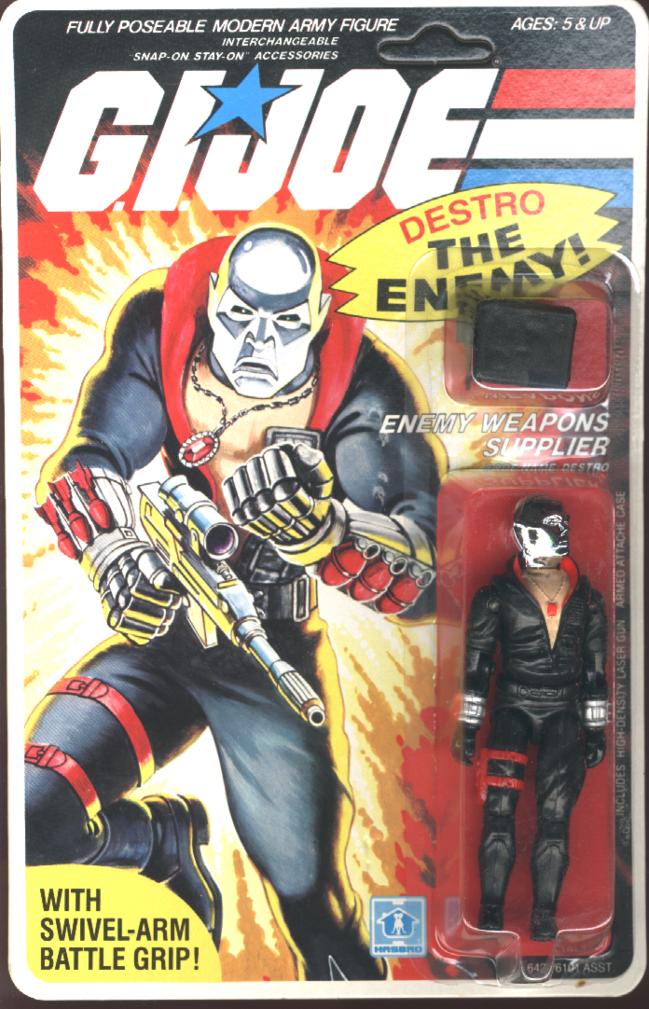
Ramon Castro will still probably end up catching 50 to 60 games this season. He is a much better hitter than Schneider and at least equally adept at cutting down stolen bases, which still doesn't make him even one of the 20 best catchers in the league. Let's not go too crazy over Destro - he's not exactly the next Victor Martinez.
Raul Casanova is the type of guy I always end up with the blind pick at the trading deadline in my Strat-o-Matic. That is to say that Casanova is the type of player who sucks and will never make a positive impact on his team.
INFIELDERS
Carlos Delgado
Luis Castillo
David Wright
Jose Reyes
Damion Easley
No, I didn't forget anyone. The Mets have only five infielders on the roster right now - the consequences of selecting Brady Clark over Fernando Tatis for the final poisition player spot. To say this is a ridiculous state of affairs is an understatement; Damion Easley can't actually field any of the positions he's supposed to be backing up at and isn't much of a hitter to boot. Will anyone be surprised if he puts up a .220/.300/.370 line this season?
Anyway, Carlos Delgado is mercifully entering the final year of his contract - and the Mets are only on the hook for another $20 million! Delgado came to the Mets under the worst of circumstances; one year after spurning the Mets on the free agent market to sign with the Marlins, Florida wisely turned around and dealt him back to Flushing for three prospects. Delgado put up an OPS+ of 161 in his first and only season in Miami and was quite a bargain in the process, making only $4 million in the first season of the back-loaded contract.
Delgado has been underperforming his career numbers ever since being traded to New York and badly faltered last season. Mike Jacobs, one of the three players the Marlins received for, was only slightly worse offensively (103 OPS+ for Delgado, compared to 100 OPS+ for Jacobs) and did so for $14 million less. Simply put, the trade has been a disaster and is not likely to look better in 2008. At this point, the Mets just have to hope Delgado doesn't regress even further; a line of .265/.330/.460 with 25 homers would be acceptable, as long as Carlos can play 150 games.
Luis Castillo is 32 years old, his knees are shot, his speed is disappearing and he has absolutely no extra-base power. At this point, he is little more than a slap-hitting glove man - think Ozzie Smith's best seasons without the stolen base totals and the otherworldly defense. This is a player that most teams would know better than to give a long-term commitment to, especially if they have cheaper second base options in their system (see Gotay, Ruben). The Mets, of course, saw things differently.
This actually isn't a terrible deal. It only takes Castillo through his Age-35 season and he's pretty likely to put up a string of .290/.360/370 seasons through the length of the contract. He's still above average in the field and can probably sneak out 20 stolen bases. They're overpaying, to be sure, but the Mets had no other answers save Gotay and Castillo fits the role of the prototypical #2 hitter very well.
What can I say about David Wright that would provide you a new and unique perspective on him? He's a superstar, period. He's going to put up terrific offensive seasons for the next 10 to 15 years, will hopefully retire as a Met and may be the last person in franchise history to wear #5. High-end projections would include a 30-30 season and a .330/.425/.590 line; even worst-case scenarios would suggest 20 home runs and a .290/.375/.500 line.
Jose Reyes will either become a superstar, or he will become Juan Samuel. The ever-increasing walk rate (27 to 77 in just three seasons) is the most promising indicator that he will avoid the Samuel career path. He's never going to hit like Hanley Ramirez did in 2007, but Reyes' defense is light years ahead of Ramirez and his range is among the best in the game at his position, so a solid argument can be made in favor of Jose over Hanley. I think that he could put up a string of offensive seasons reminiscent of a late-1980s Rickey Henderson.
Damion Easley should not be backing up all four infield positions on a Major League Baseball team. An injury to Delgado, Wright or Reyes would be extremely catastrophic as the Mets lack any semblance of a credible major leaguer to replace them.
OUTFIELDERS
Carlos Beltran
Ryan Church
Marlon Anderson
Endy Chavez
Angel Pagan
Brady Clark
Moises Alou-DL
Who knows how many games Moises Alou will play this season? He'll smack the cover off the ball whenever he's healthy, though, and if the Mets can keep him standing long enough to play October baseball, they will be extremely tough to beat in a playoff series. For now, Spring Training phenom Angel Pagan will man left field until Alou can return; he'll be ready for release by June 1, because he is a terrible baseball player.
Carlos Beltran has devolved from the five-tool talent we were promised in 2004 to something resembling Andruw Jones. He's a nice cleanup hitter and a terrific center fielder with the glove, but he's not a leader in the clubhouse and he's not worth $18.5 milion for each of the next four years.
As distraught as I am to lose Lastings Milledge, I like Ryan Church. He's a decent outfielder who can play all three positions and is a pretty good hitter to boot. If he can shore up his performance against lefties, Church has the potential to be a very good #6 hitter - I'm thinking Kevin McReynolds with a few more doubles and a few less home runs.
The Mets really should have a right-handed bat on the roster who can serve as a platoon partner for Church. Instead, the Mets have Pagan and Brady Clark. Sigh.
Endy Chavez is an excellent fifth outfielder, because like Church he plays all three outfield positions. Chavez, however, can steal 30 bases and excels in the field - the fact that he can't hit much is exposed whenever he gets extended playing time. Limit him to 250 at-bats and lots of appearances as a pinch runner/defensive replacement, and everyone will be happy.
Summing Up: The first four batters in the lineup (Reyes, Castillo, Wright and Beltran) can stake a claim for being the best quartet in the National League. Castillo is ultimately a below-average hitter, but fits the lineup well because Willie Randolph will only ask him to do the tasks associated with prototypical #2 hitters. (There's that phrase again; I'm going to be addressing it soon enough.)
Alou is still dangerous when healthy, but Delgado's reputation is more dangerous than his bat. Church and Schneider will round out the everyday lineup; Church will hit, Schneider will not. Moises really is the key to the offense, because when he's healthy he makes the Mets a very difficult lineup to contend with. Replace him with Chavez or Pagan and you've got the potential to get five straight outs every time Beltran completes his at-bat.
By the way, the sooner the Mets release Clark and sign a right-handed 3B/1B who can spell Delgado against lefties, the better.
25-Man Roster Analysis, Part 1
Opening Day is less than eight hours away, so I have to squeeze in the first half of my 25-man roster analysis between meetings and paperwork. I would really rather do a different type of player analysis, with a focus on how they ended up on the Mets and what role they play on the current squad, but for now, let's take a look at the pitching staff for the team that will take the field in Florida today.
STARTING PITCHERS
Johan Santana
Pedro Martinez
Oliver Perez
John Maine
Mike Pelfrey
Orlando "El Duque" Hernandez-DL
A potentially dominant rotation and the single biggest determining factor whether or not this team wins 85 games or 100 games.
Santana has to be considered a Cy Young Award front-runner after dominanting the American League for the past five seasons. Other than some concerns about pitch selection, there's nothing not to like about the guy. Pencil him for continued success and the starting nod at the All-Star game.
Martinez is one of the 10 greatest starting pitchers in baseball history, but not enough attention is being to the fact that the surgery he's coming back from is known as a career-killer. You can count the number of pitchers who returned to their old form after rotator cuff surgery on one hand. The days of sub-2.00 ERAs and 0.950 WHIPs are long gone, but I'll be happy with 175 IP, a 4.00 ERA and a 1.300 WHIP. If anyone can do it, it's Pedro.
He's pitching the fourth game of the season, but John Maine will be the nominal #2 starter before the end of the year. Stolen from Baltimore two years ago in exchange for a MILF, Maine has been lights-out this spring and appears ready to step into the elite class of National League starters. In retrospect, perhaps this shouldn't be entirely surprising - Maine dominated the lower levels of the minor leagues before being rushed to the big club at 24. It took him an extra year to get it, which was one year too long in a dysfunctional organization like Baltimore. Bold prediction: 17 wins, a sub-3.25 ERA and a 1.200 WHIP. He's going to look very good in my Strat-o-Matic rotation next season!
The Mets are one of the most interesting teams in baseball because their starters have the potential to throw a shutout every night of the week. No one exemplifies this more than Oliver Perez, whose raw stuff rivals that of Santana or pre-injury Pedro. Unfortunately for Ollie, he still hasn't learned to consistently harness that stuff, making him a terrific candidate for most disappointing starter in the National League. Having Perez on a one-year deal at $6.5 million is fine for a big-market club with enough money to fill Scrooge McDuck's vault. As a #4 starter without a long-term contract, he's an absolute dream. But signing Oliver Perez to a 5-year, $75 million free agent deal (as he's been rumored to be looking for) would be disastrous. You can bank on 5 great starts and 5 terrible starts in 2008 - the consistency he shows in the other 20 will go a long way toward determining his future worth to the franchise.
Mike Pelfrey should be a reliever. He's going to get tattooed with the big club, sent to AAA by May 15 and will rot there until Minaya trades him for pennies on the dollar.
El Duque is starting the season on the DL because apparently bunions are the most debilitating baseball injury known to man. The graceful leg kick of yester-year is gone, replaced by a more pedestrian wind-up that will rob El Duque of some of his trademark abaility to hide the ball until the last possible second. The man is a joy to watch when he's on and, like Perez, perfectly suited for the role he will play as a #5 starter. Omar made a big boo-boo by guaranteeing a pitcher in his mid-40s a two-year deal after the 2006 season, but at this point it's not like El Duque is blocking the next Mets pitching phenom.
Summing Up: The single biggest joy of being a Mets fan is this starting rotation. Once Pelfrey is back in the French Quarter, every single start has the makings of something special. They will need to catch some breaks though. Don't worry about Santana and Maine - they'll win at least 30 games between them. But the key to sustained success will be Pedro and El Duque, who will have to stay healthy enough to make 50 regular-season starts and still be ready for October assignments. If they do that and Perez simply maintains his 2007 form, the Mets can hit the century mark in wins. Extended DL stints for the veterans, combined with a severe regression from Perez to 2004-2006 levels, will mean an 85-77 record and the end of Willie Randolph's managing career. At this point, I honestly don't know what I'm rooting for more.
RELIEF PITCHERS
Billy Wagner (closer)
Aaron Heilman
Pedro Feliciano
Matt Wise
Scott Schoenweis
Jorge Sosa
Joe Smith
Before I begin, let me state for the record that a seven-man bullpen is a ridiculous use of roster space and is completely unnecessary, even in today's ultra-specialized game. I'll write a separate entry about this topic down the road, but the seven reserve arms in the Mets' pen are keeping them from carrying even six infielders this season. I will respectfully suggest that every team in baseball can get more use out of a sixth infielder than they can out of a seventh reliever.
Billy Wagner is the closer - one of the few relievers in baseball who I firmly believe should be utilized ONLY with a lead of three runs or less in the ninth inning of a game. Wags is one of those guys who "needs to have a role" - remember that ninth-inning meltdown against the Yankees two years ago? Both his ERA and WHIP have increased from the 2005 season (the year before he signed with the Mets), always a cocnern for a reliever in his mid-30s. Wagner is also my least favorite Met on the team, mainly for this type of garbage. He didn't even have the balls to admit it was him at the time; it was only after Milledge was traded that he admitted to doing the deed. Here's hoping Lasto goes deep on you three times this season, Billy - and that he slaps hands with the hometown fans after each and every dinger.
Aaron Heilman is a victim of his success. He desperately wants another chance to be a starter but at this point, he's one of the more underrated set-up men in the game. A few unfortunately timed home runs tend to overshadow the fact that Heilman has pitched 229 highly effective innings out of the bullpen over the last three seasons - with a ERA of 3.14 and a 1.161 WHIP. You'd be hard=pressed to find another middle reliever in baseball with those kind of numbers over a three-year span. Sorry Aaron, you're just too good at your current job to let you go back to starting.
I've been a big fan of Pedro Feliciano ever since the Mets re-acquired him two years ago, but I have to admit I soured on him a bit in 2007. For a second straight year, the overall numbers were good, but Feliciano was less effective after the All-Star Break. He's another guy that Willie tends to misuse - typecast as a situational lefty despite holding right-handers to a .241 batting average over the last two seasons. Still, Heilman is clearly the top set-up guy and while Feliciano is more than equipped to handle the entire eighth inning, it would be better to use him in innings where he was assured at least one left-handed batter.
Matt Wise was a terrific under the radar signing by Minaya last off-season. This guy was shutting down everyone until accidentally fracturing the cheekbone of Pedro Lopez with an errant pitch on July 25. The league hit a mind-boggling .466 off Wise after that incident, most decidedly taking the shine off Wise's early numbers. Wise features an excellent changeup and a season of sharing a locker room with Johan Santana will hopefully make it even more devastating. As long as he's gotten over the emotional trauma of the beaning, I really like him as the fourth reliever in the pen and I think he's primed for a great campaign.
Memo to Omar Minaya - don't sign middle relievers to three-year deals. Memo to Willie Randolph - don't use lefty specialists against right-handers. It ain't rocket science, people.
Jorge Sosa should be in AAA or in the #5 starter role. Instead, he's the seventh reliever on a team that only needs six. There's no reason Schoenweis couldn't function as a lefty specialist AND the long man - you don't have to worry about striking out a tough left-handed batter in seventh inning if your team's already down by six runs in the second. But when it comes to roster construction, the lack of creativity shown by Willie and Omar never ceases to amaze. And so we have Sosa, one more mediocre arm at the back of the bullpen waiting for the call that may never come - all at the expense of the pinch-runner, the platoon partner or the defensive specialist far more likely to have a significant impact on the outcome of the game.
Joe Smith is the man benefitting the most from Randolph and Minaya's short-sightedness. He barely beat out Brian Stokes for the last spot in the bullpen and will have to replicate his early-season success in 2007 if he wants to stick with the big club this time around. The sidearmer has already been typecast as a righty specialist, but learning to shut down left-handers will be the key to long-term success.
STARTING PITCHERS
Johan Santana
Pedro Martinez
Oliver Perez
John Maine
Mike Pelfrey
Orlando "El Duque" Hernandez-DL
A potentially dominant rotation and the single biggest determining factor whether or not this team wins 85 games or 100 games.
Santana has to be considered a Cy Young Award front-runner after dominanting the American League for the past five seasons. Other than some concerns about pitch selection, there's nothing not to like about the guy. Pencil him for continued success and the starting nod at the All-Star game.
Martinez is one of the 10 greatest starting pitchers in baseball history, but not enough attention is being to the fact that the surgery he's coming back from is known as a career-killer. You can count the number of pitchers who returned to their old form after rotator cuff surgery on one hand. The days of sub-2.00 ERAs and 0.950 WHIPs are long gone, but I'll be happy with 175 IP, a 4.00 ERA and a 1.300 WHIP. If anyone can do it, it's Pedro.
He's pitching the fourth game of the season, but John Maine will be the nominal #2 starter before the end of the year. Stolen from Baltimore two years ago in exchange for a MILF, Maine has been lights-out this spring and appears ready to step into the elite class of National League starters. In retrospect, perhaps this shouldn't be entirely surprising - Maine dominated the lower levels of the minor leagues before being rushed to the big club at 24. It took him an extra year to get it, which was one year too long in a dysfunctional organization like Baltimore. Bold prediction: 17 wins, a sub-3.25 ERA and a 1.200 WHIP. He's going to look very good in my Strat-o-Matic rotation next season!
The Mets are one of the most interesting teams in baseball because their starters have the potential to throw a shutout every night of the week. No one exemplifies this more than Oliver Perez, whose raw stuff rivals that of Santana or pre-injury Pedro. Unfortunately for Ollie, he still hasn't learned to consistently harness that stuff, making him a terrific candidate for most disappointing starter in the National League. Having Perez on a one-year deal at $6.5 million is fine for a big-market club with enough money to fill Scrooge McDuck's vault. As a #4 starter without a long-term contract, he's an absolute dream. But signing Oliver Perez to a 5-year, $75 million free agent deal (as he's been rumored to be looking for) would be disastrous. You can bank on 5 great starts and 5 terrible starts in 2008 - the consistency he shows in the other 20 will go a long way toward determining his future worth to the franchise.
Mike Pelfrey should be a reliever. He's going to get tattooed with the big club, sent to AAA by May 15 and will rot there until Minaya trades him for pennies on the dollar.
El Duque is starting the season on the DL because apparently bunions are the most debilitating baseball injury known to man. The graceful leg kick of yester-year is gone, replaced by a more pedestrian wind-up that will rob El Duque of some of his trademark abaility to hide the ball until the last possible second. The man is a joy to watch when he's on and, like Perez, perfectly suited for the role he will play as a #5 starter. Omar made a big boo-boo by guaranteeing a pitcher in his mid-40s a two-year deal after the 2006 season, but at this point it's not like El Duque is blocking the next Mets pitching phenom.
Summing Up: The single biggest joy of being a Mets fan is this starting rotation. Once Pelfrey is back in the French Quarter, every single start has the makings of something special. They will need to catch some breaks though. Don't worry about Santana and Maine - they'll win at least 30 games between them. But the key to sustained success will be Pedro and El Duque, who will have to stay healthy enough to make 50 regular-season starts and still be ready for October assignments. If they do that and Perez simply maintains his 2007 form, the Mets can hit the century mark in wins. Extended DL stints for the veterans, combined with a severe regression from Perez to 2004-2006 levels, will mean an 85-77 record and the end of Willie Randolph's managing career. At this point, I honestly don't know what I'm rooting for more.
RELIEF PITCHERS
Billy Wagner (closer)
Aaron Heilman
Pedro Feliciano
Matt Wise
Scott Schoenweis
Jorge Sosa
Joe Smith
Before I begin, let me state for the record that a seven-man bullpen is a ridiculous use of roster space and is completely unnecessary, even in today's ultra-specialized game. I'll write a separate entry about this topic down the road, but the seven reserve arms in the Mets' pen are keeping them from carrying even six infielders this season. I will respectfully suggest that every team in baseball can get more use out of a sixth infielder than they can out of a seventh reliever.
Billy Wagner is the closer - one of the few relievers in baseball who I firmly believe should be utilized ONLY with a lead of three runs or less in the ninth inning of a game. Wags is one of those guys who "needs to have a role" - remember that ninth-inning meltdown against the Yankees two years ago? Both his ERA and WHIP have increased from the 2005 season (the year before he signed with the Mets), always a cocnern for a reliever in his mid-30s. Wagner is also my least favorite Met on the team, mainly for this type of garbage. He didn't even have the balls to admit it was him at the time; it was only after Milledge was traded that he admitted to doing the deed. Here's hoping Lasto goes deep on you three times this season, Billy - and that he slaps hands with the hometown fans after each and every dinger.
Aaron Heilman is a victim of his success. He desperately wants another chance to be a starter but at this point, he's one of the more underrated set-up men in the game. A few unfortunately timed home runs tend to overshadow the fact that Heilman has pitched 229 highly effective innings out of the bullpen over the last three seasons - with a ERA of 3.14 and a 1.161 WHIP. You'd be hard=pressed to find another middle reliever in baseball with those kind of numbers over a three-year span. Sorry Aaron, you're just too good at your current job to let you go back to starting.
I've been a big fan of Pedro Feliciano ever since the Mets re-acquired him two years ago, but I have to admit I soured on him a bit in 2007. For a second straight year, the overall numbers were good, but Feliciano was less effective after the All-Star Break. He's another guy that Willie tends to misuse - typecast as a situational lefty despite holding right-handers to a .241 batting average over the last two seasons. Still, Heilman is clearly the top set-up guy and while Feliciano is more than equipped to handle the entire eighth inning, it would be better to use him in innings where he was assured at least one left-handed batter.
Matt Wise was a terrific under the radar signing by Minaya last off-season. This guy was shutting down everyone until accidentally fracturing the cheekbone of Pedro Lopez with an errant pitch on July 25. The league hit a mind-boggling .466 off Wise after that incident, most decidedly taking the shine off Wise's early numbers. Wise features an excellent changeup and a season of sharing a locker room with Johan Santana will hopefully make it even more devastating. As long as he's gotten over the emotional trauma of the beaning, I really like him as the fourth reliever in the pen and I think he's primed for a great campaign.
Memo to Omar Minaya - don't sign middle relievers to three-year deals. Memo to Willie Randolph - don't use lefty specialists against right-handers. It ain't rocket science, people.
Jorge Sosa should be in AAA or in the #5 starter role. Instead, he's the seventh reliever on a team that only needs six. There's no reason Schoenweis couldn't function as a lefty specialist AND the long man - you don't have to worry about striking out a tough left-handed batter in seventh inning if your team's already down by six runs in the second. But when it comes to roster construction, the lack of creativity shown by Willie and Omar never ceases to amaze. And so we have Sosa, one more mediocre arm at the back of the bullpen waiting for the call that may never come - all at the expense of the pinch-runner, the platoon partner or the defensive specialist far more likely to have a significant impact on the outcome of the game.
Joe Smith is the man benefitting the most from Randolph and Minaya's short-sightedness. He barely beat out Brian Stokes for the last spot in the bullpen and will have to replicate his early-season success in 2007 if he wants to stick with the big club this time around. The sidearmer has already been typecast as a righty specialist, but learning to shut down left-handers will be the key to long-term success.
Summing up: A good bullpen, on balance, even if it is too big. When Wagner isn't lecturing us all about playing the game right, he's still a Top 10 closer. Heilman is the best set-up man in baseball and Feliciano is a competent fill-in, with Wise lurking if Pedro needs to be re-calibrated into a lefty specialist. Schoenweis is here, for better or worse, but can be useful if used solely against tough-lefthanders and in mop-up duty. Joe Smith belongs in AAA, where he can work on getting out lefties - Sosa can do the long-man thing AND get out a tough righty in the sixth inning.
Roster Construction
I'll begin doing my breakdown of the 25-man roster tomorrow before the first pitch, but I have to point something out before I go to bed. The Mets inexplicably have more outfielders (6) than infielders (5) on the active roster. That means there are three backup outfielders and one backup infielder. This is an unintelligent way to construct a roster.
Friday, March 28, 2008
Stupid Decisions, Part 1
Welcome to the segment of my new blog that I like to call "Stupid Decisions." These segments will be dedicated to all the times the Mets do something stupid to piss me off, which invariably leads me to question how much longer I can remain a fan of this team.
I wrote about the dumb decision to release Ruben Gotay late last night and I had made my peace with it as best as I possibly could. So I get home from work today and just as I'm about to make some dinner when Joe calls me with the latest news: Gotay is going to be practicing his tomahawk chop this year.
Well, that's just terrific. It took the Braves less than 24 hours to swoop in and sign a guy who was actually in tears about the idea of having to leave the Mets, and to disprove the old adage that "you can't get something for nothing." The Mets didn't attempt to work out a deal with the Braves - hell, as far as I can tell they didn't attempt to work out a deal with any team in the league. They just let Gotay go, 72 hours before the final rosters were due, and ended up handing him to Atlanta for nothing.
Joe put it very well. "Jack," he asked me, "if any other team in the league had Ruben Gotay, and the Mets offered them Fernando Tatis in a trade, do you think they would do it? And we kept Tatis, and gave away Gotay!"
So let's recap: our hated division rivals just filled one of the last holes on their roster by grabbing a 25-year-old infielder who can play three positions and who just came off a season where he nearly hit .300 - all at the expense of the Mets! Bold prediction: Gotay and Lastings Milledge combine for 10 home runs against the Mets in 2008.
I wrote about the dumb decision to release Ruben Gotay late last night and I had made my peace with it as best as I possibly could. So I get home from work today and just as I'm about to make some dinner when Joe calls me with the latest news: Gotay is going to be practicing his tomahawk chop this year.
Well, that's just terrific. It took the Braves less than 24 hours to swoop in and sign a guy who was actually in tears about the idea of having to leave the Mets, and to disprove the old adage that "you can't get something for nothing." The Mets didn't attempt to work out a deal with the Braves - hell, as far as I can tell they didn't attempt to work out a deal with any team in the league. They just let Gotay go, 72 hours before the final rosters were due, and ended up handing him to Atlanta for nothing.
Joe put it very well. "Jack," he asked me, "if any other team in the league had Ruben Gotay, and the Mets offered them Fernando Tatis in a trade, do you think they would do it? And we kept Tatis, and gave away Gotay!"
So let's recap: our hated division rivals just filled one of the last holes on their roster by grabbing a 25-year-old infielder who can play three positions and who just came off a season where he nearly hit .300 - all at the expense of the Mets! Bold prediction: Gotay and Lastings Milledge combine for 10 home runs against the Mets in 2008.
Roster Move: Bye Bye Gotay
The Mets put Ruben Gotay on waivers yesterday, a decision that’s drawing a predictable level of condemnation in some circles. I don’t like the decision either, though, and I think it’s indicative of Omar Minaya’s short-sightedness in the area of roster construction.
The
Now all that said, let’s not kid ourselves about Gotay’s future. He showed some signs of being a productive MLB second baseman last season, but I don’t think he’ll ever be anything more than a lower-echelon starter or a solid-hitting backup. He’s not a great fielder and although he can hit a little, nothing about his track record makes me think that Ruben has the ability to hit .300 or smack 20 home runs over a full season. I’d still much rather have the guy we traded for Gotay in the first place, who may finally be getting a chance to play with the Reds this season. I am convinced that Keppinger simply needs to get 450 at-bats this year and he will put up a .315/.360/.430 line.
Still, I was struck by Gotay’s energy level last season and liked the fact that it looked like he was having fun playing the game. Maybe it’s naive of me to still value that in a ballplayer, but it’s one of the few “intangibles” I actually believe in. I think most baseball fans have a natural affinity for guys with a certain style and flair – unless they happen to be black, in which case they’ll simply be chastised by the holier-than-thou white guys in media circles about “playing the game right.”
If Minaya had played his cards right, his position players could’ve stacked up like this:
CATCHERS
Schneider
Castro - DL
INFIELDERS
Delgado
Castillo
Reyes
Wright
Gotay
Tatis
OUTFIELDERS
Alou - DL
Beltran
Church
Chavez
Pagan/Clark/generic right-handed fifth outfielder
CATCHERS
Schneider
Castro - DL
backup catcher who will be sent to AAA when Castro returns
INFIELDERS
Delgado
Castillo
Reyes
Wright
Easley
Tatis
Alou - DL
Beltran
Church
Chavez
Pagan/Clark/generic right-handed sixth outfielder who will be sent down or released once Alou comes off the DL, thereby depriving Ryan Church of a sorely-needed platoon partner.
Minaya can minimize his latest roster folly if he can find a way to trade Gotay for Matt Murton, who is inexplicably about to be sent to AAA by the Cubs. The Cubs might be interested, since they've been chasing a second baseman all winter with no luck. Murton would be the perfect fit for the Mets – he can start in left until Alou comes back and then shift into a platoon with Church in right field while waiting for Moises’s next injury. He’s a good young hitter who had success as a regular in 2006, with a minor-league record that suggests he has the potential to take the left field job from Alou in 2009.
Minaya, of course, will completely miss the boat on this one as well.
Subscribe to:
Posts (Atom)